Greener Schools and Hospitals in Montenegro: How REEP Delivers for Citizens
A large-scale energy efficiency investment programme is helping Montenegro modernise schools, hospitals, dormitories and social care buildings, while also advancing the country's alignment with European Union standards. Through the Regional Energy Efficiency Programme (REEP), more than EUR 104 million has been mobilised in Montenegro through a blend of EU and donor grants, as well as EBRD and KfW loans, to finance practical improvements in public infrastructure.
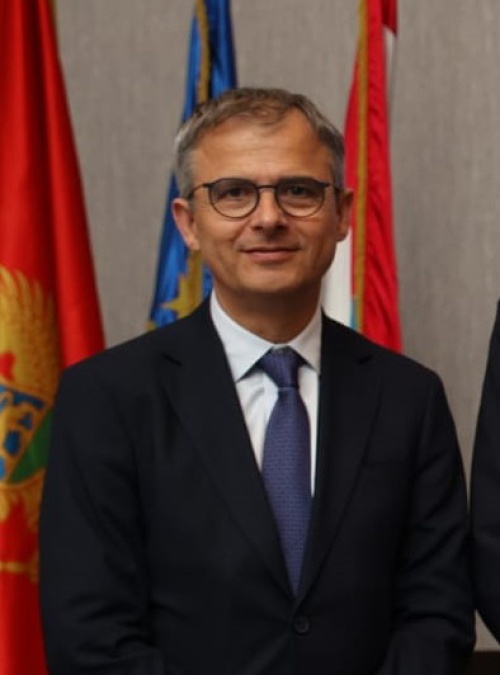
In this interview, Bernard Brunet, Head of Cooperation at the European Union Delegation to Montenegro, explains how REEP is helping Montenegro modernise schools, hospitals, dormitories and social care facilities, while also supporting alignment with European Union energy and environmental standards. He also discusses how blended finance, policy reform and practical investment in public infrastructure are delivering visible benefits for citizens and supporting Montenegro's green transition.
How would you describe the role of blended finance in the success of REEP in Montenegro?
According to Bernard Brunet, the combination of grants and loans is central to the programme's success. This approach supports large-scale upgrades in public buildings and delivers direct benefits for citizens through lower energy use, reduced emissions and better public services.
What does REEP mean for citizens in practical terms?
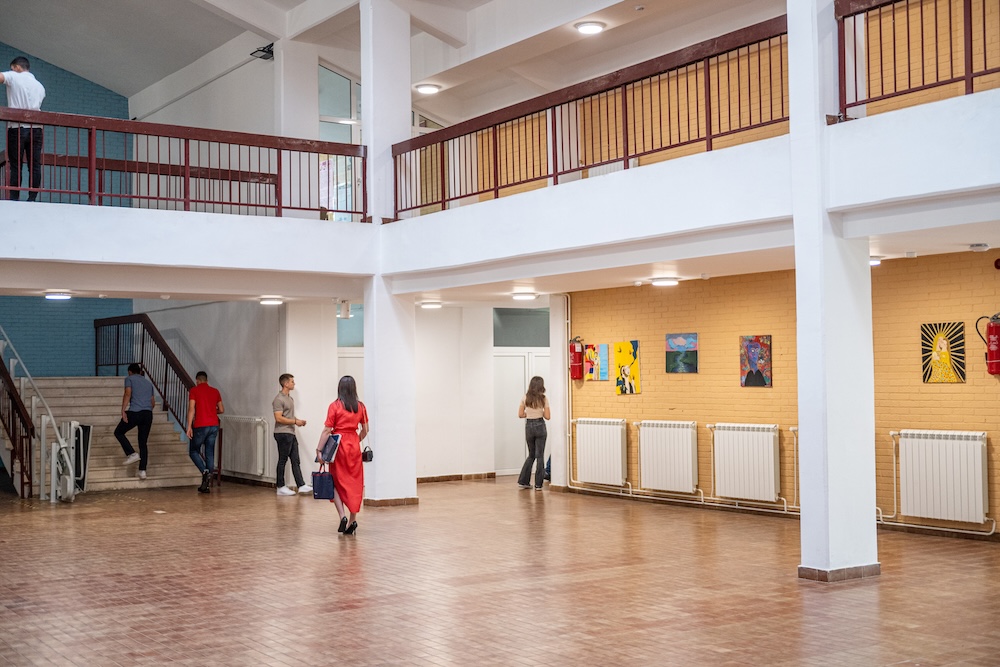
For citizens, the impact of REEP is most visible in everyday settings such as classrooms, hospitals and care facilities. In practical terms, the programme means schools that are warmer in winter, cooler in summer and healthier for children and teachers, as well as hospitals with more reliable heating, ventilation and cooling systems for patients and medical staff. The programme is already expected to deliver annual energy savings of nearly 48 722 MWh and annual CO2 emission reductions of more than 13 429 tonnes.
---
'The green transition is not a choice but a necessity. Through programmes like REEP, Montenegro is building a greener, more prosperous future for all generations.'
---
What is the scale of investment and what kinds of improvements are being delivered?
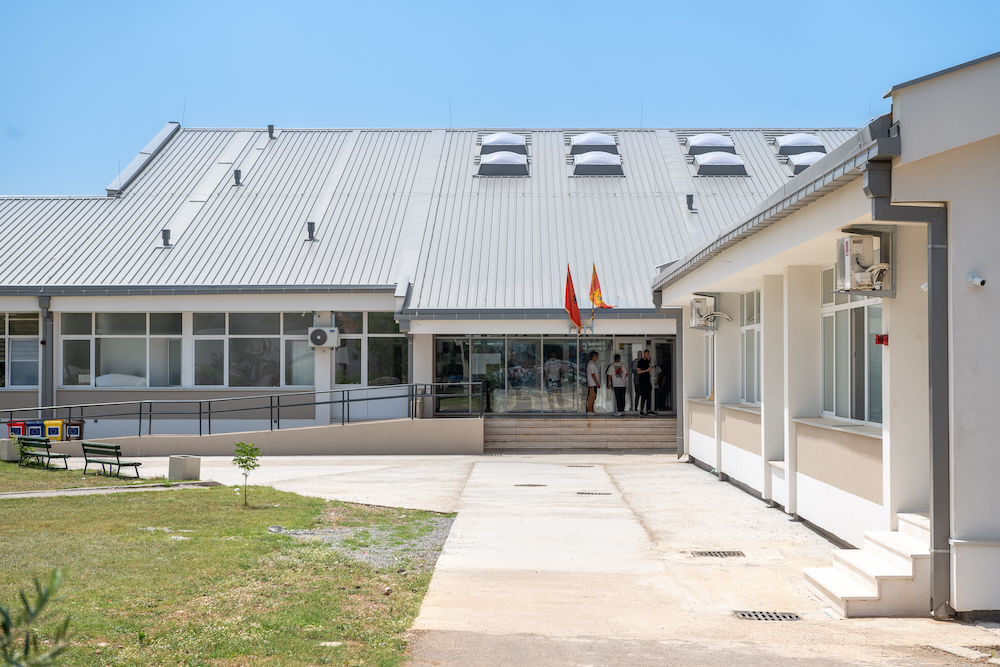
The scale of investment in Montenegro is substantial and spans several major public sectors. In education, a EUR 20 million EBRD loan combined with a EUR 4 million EU investment grant supports energy efficiency measures in 24 school and kindergarten buildings and one student dormitory. A separate EUR 45 million KfW loan, backed by a EUR 4.7 million EU investment grant, covers 19 additional schools, one home for older people and one student dormitory.
In the healthcare sector, a EUR 12 million EBRD loan together with EUR 2.8 million in EU and donor grants supports the retrofit of three major hospital buildings: the Clinical Centre in Podgorica, the hospital in Cetinje and the hospital in Bijelo Polje. Seven schools in municipalities including Nikšić, Kotor, Tuzi, Bar and Cetinje have already been fully refurbished, with initial estimates showing energy savings of up to 50 % in some buildings. Many of the buildings included in the programme date from the 1930s to the 1980s and have long suffered from outdated heating systems, weak insulation, leaking roofs and inefficient windows.
Renovation measures include modern HVAC systems, improved thermal insulation, new windows and roofing, and in some cases the possible integration of solar photovoltaic technologies. These are not abstract policy outcomes. They are visible, tangible improvements that children, patients, teachers and medical professionals experience every day.
---
'These are not abstract policy outcomes. They are visible, tangible improvements that children, patients, teachers and medical professionals experience every day.'
---
How does REEP support Montenegro's progress towards EU standards?
Energy efficiency is not a peripheral issue on Montenegro's path to the EU, but a central part of alignment with European energy and environmental standards. Mr Brunet emphasised that REEP has already delivered 15 policy deliverables, including strategic documents, regulations and rulebooks formally adopted by the Montenegrin authorities. These reforms include the transposition of key EU legislation, such as the Energy Efficiency Directive and the Energy Performance of Buildings Directive, into Montenegro's regulatory framework.
This matters because EU accession is assessed not only through policy commitments, but also through a country's ability to implement the acquis in practice. REEP helps demonstrate that this implementation is already under way on the ground. Montenegro has also identified the green and digital transitions as strategic priorities within its broader reform agenda linked to the EU Growth Plan for the Western Balkans.
---
'Programmes like REEP show that Montenegro is not merely adopting European standards on paper, but implementing them in schools and hospitals across the country.'
---
How does Montenegro fit into the broader WBIF and REEP framework in the Western Balkans?
Within the wider WBIF and REEP framework, energy efficiency is presented as a major pillar of the green transition across the Western Balkans. Better public buildings mean lower energy bills, improved public services and reduced emissions, while also helping economies in the region become more resilient and aligned with EU priorities. In that regional context, Montenegro stands out as one of the most advanced EU candidate countries and as a country with strong potential to combine energy efficiency with broader renewable energy development.
At the same time, the country still faces the challenge of accelerating infrastructure modernisation and reducing dependence on high-emission energy sources. This makes programmes such as REEP especially important. Mr Brunet noted that continued EU support through instruments such as REEP reflects a long-term commitment to Montenegro's green and European future.
Why is REEP such a compelling example of the green transition in action?
REEP is compelling because it connects policy, financing and lived experience in a single story. It supports public authorities in meeting European standards, while also improving the places where children learn, where patients recover and where older citizens receive care. For Montenegro, this is the practical meaning of the green transition: lower emissions, better regulation, warmer schools, safer hospitals, lower public energy costs and better living conditions for citizens.
In that sense, the programme offers a strong example of how partnership between Montenegro, the European Union and international financial institutions can translate long-term policy goals into immediate, visible results.
---
About REEP
Launched in 2013 under the Western Balkans Investment Framework (WBIF), the Regional Energy Efficiency Programme (REEP) supports renewable energy and energy efficiency investments across the region. With over €1 billion mobilised to date, it has refurbished more than 90 public buildings, supported 1,500 SMEs and 20,000 households. The achieved annual CO₂ emissions saved is equivalent to removing 183,000+ cars from the roads.
---
About WBIF and Global Gateway
The Western Balkans Investment Framework (WBIF) contributes directly to Global Gateway, the EU’s strategy to boost smart, clean and secure connections in digital, energy and transport, while strengthening health, education and research systems worldwide. Global Gateway aims to mobilise up to €300 billion worldwide in investments through a Team Europe approach, bringing together the EU, its Member States and financial institutions to leverage investments for a transformational impact.